
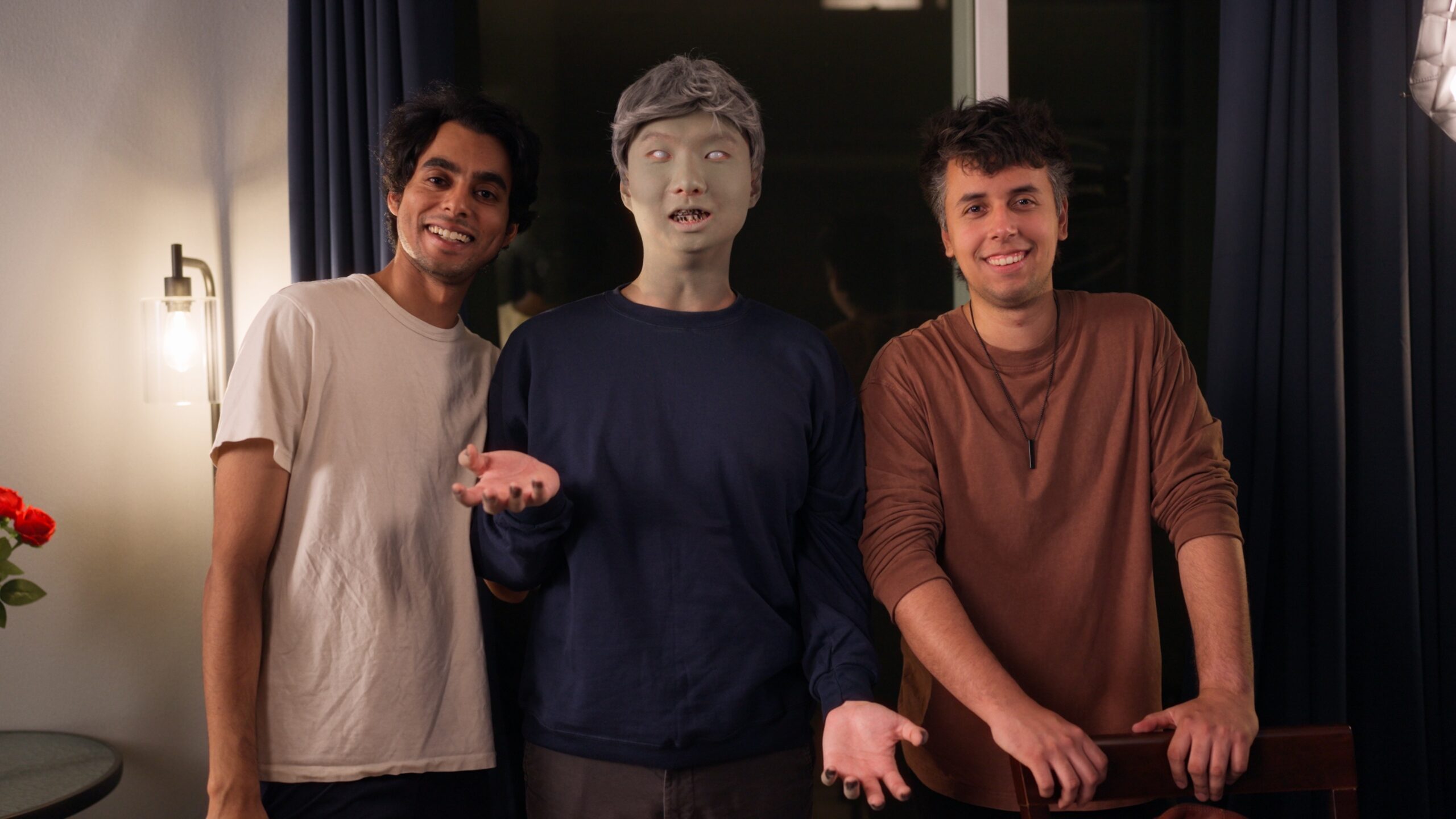
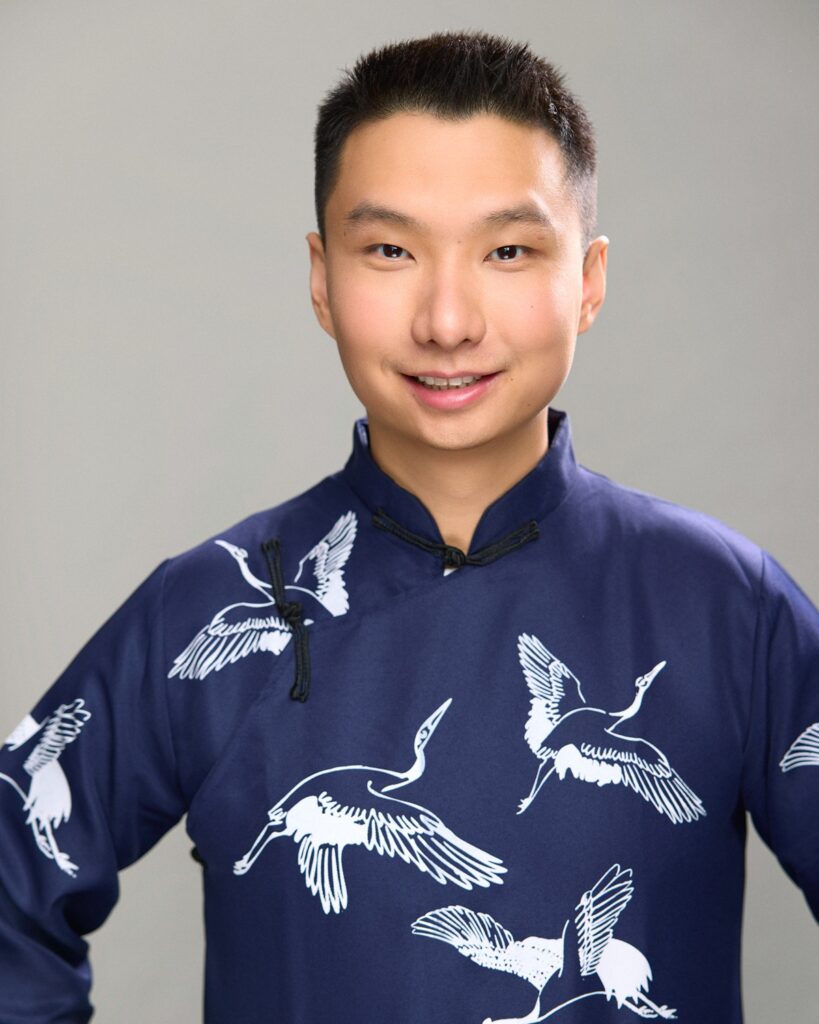
Los Angeles–based actor Justin He continues to carve out a space in genre-driven storytelling, bringing physical precision and psychological depth to each role. A graduate of the Master of Fine Arts Acting for Film program at the New York Film Academy, with earlier training at the American Academy of Dramatic Arts and a background in computer engineering from the University of California, Irvine, He approaches performance with a unique blend of discipline and creative exploration. In the horror film ‘Zombie Friend’, he takes on a fully transformative role, stepping into the unsettling physicality of a zombie in a story that blurs the line between dark comedy and nightmare.
What is ‘Zombie Friend’ about?
‘Zombie Friend’ is a contained horror story set over the course of one night in an apartment in Los Angeles. The film follows Martin, whose quiet evening is disrupted when his roommate Kendra brings home an unusual hookup, one who is clearly not human. While Kendra dismisses the situation, Martin begins to sense that something is deeply wrong. As he attempts to leave, he realizes too late that the threat is much closer than he imagined. The film plays with tension and ambiguity, leaving audiences questioning whether what unfolds is a nightmare or the beginning of something far more dangerous.
What drew you to this project?
I was really drawn to the opportunity to explore a zombie character in a grounded, contained setting. The story relies heavily on atmosphere and performance, which made it a great space to experiment with physicality and presence. It was also exciting to collaborate with a team that created such a comfortable and relaxed environment on set. Even though the concept is intense, the process itself was very enjoyable.
What was your experience like during production?
The filming took place over three weeks, with shoots scheduled every Friday. It was an interesting rhythm because each week felt like picking up right where we left off, even though days had passed in between. We filmed eight different scenes and one longer sequence within that timeframe, which could have been intense, but the workflow was very smooth. We stayed on schedule, and the overall set environment remained calm and collaborative throughout the process.
You underwent a full transformation for the role. What did that involve?
A big part of the role was the special effects makeup. My makeup artist, Accalia Rositani, did an incredible job transforming me into the zombie. I arrived early for each shoot, and the process took about an hour every time.
Interestingly, that time in the makeup chair became part of my preparation. It allowed me to transition into the character, focus on physical details, and prepare mentally before stepping onto set.
What were some of the challenges you faced?
One of the biggest challenges was wearing colored contact lenses for the first time. I had to keep them in for the entire shoot each night, which significantly affected my vision. It felt like I was seeing through a white filter, and I could only see about half as clearly as I normally would. While I’m used to wearing contacts, this was definitely more intense. Moving around safely, especially in darker scenes, required extra caution, and sometimes the crew would guide me when needed. We treated set safety with the highest priority.
Even with those limitations, I adapted over time and learned how to work within those physical constraints while staying present in the performance.
Did the physical limitations affect your performance?
In some ways, yes, but it also added something to the character. The limited vision and altered physical awareness helped inform how the zombie moved and interacted with the environment. It forced me to rely more on instinct and body language, which ultimately made the performance feel more organic and unsettling.
Were there any memorable moments on set?
There were quite a few. Because I was in full zombie makeup, filming outdoors late at night led to some interesting reactions from neighbors. Some people were impressed and curious, others ignored it completely, which is very Los Angeles, and a few were genuinely shocked and terrified. It was always fun to see how people reacted in real-time.
Another memorable aspect was how quickly time seemed to pass. Since we filmed every Friday, each week felt like it came around almost immediately. We all shared that same feeling, which created a unique sense of continuity throughout the shoot.
Do you have a favorite moment from filming?
One of my favorite scenes was the gym sequence with my scene partner Sergio. We intentionally chose the lightest dumbbells for the scene, thinking it would make things easier. But because of the number of takes and different angles we had to cover, we ended up completely exhausted by the end. It was a funny reminder of how physically demanding filming can be, even when things seem simple at first.
Where can audiences watch Zombie Friend?
The project is currently available across digital platforms, including Instagram, TikTok, and YouTube, where viewers can experience the film and related short-form content.
How would you describe the kinds of projects you’re drawn to?
I’m always excited to explore new projects, but what matters most to me is the collaborative environment. When everyone works as one team, it creates a space where filmmaking can truly thrive as an art form. For me, that sense of unity is more important than any specific genre or style. When collaboration is strong, the work becomes meaningful.
How can people follow your journey?
People can visit my IMDb, Facebook and Instagram.
With ‘Zombie Friend’, Justin He continues to expand his range within the horror genre, embracing roles that demand both physical transformation and creative risk. As he builds momentum in independent film, his commitment to craft and collaboration positions him as a talent to watch in character-driven and genre storytelling alike.

