
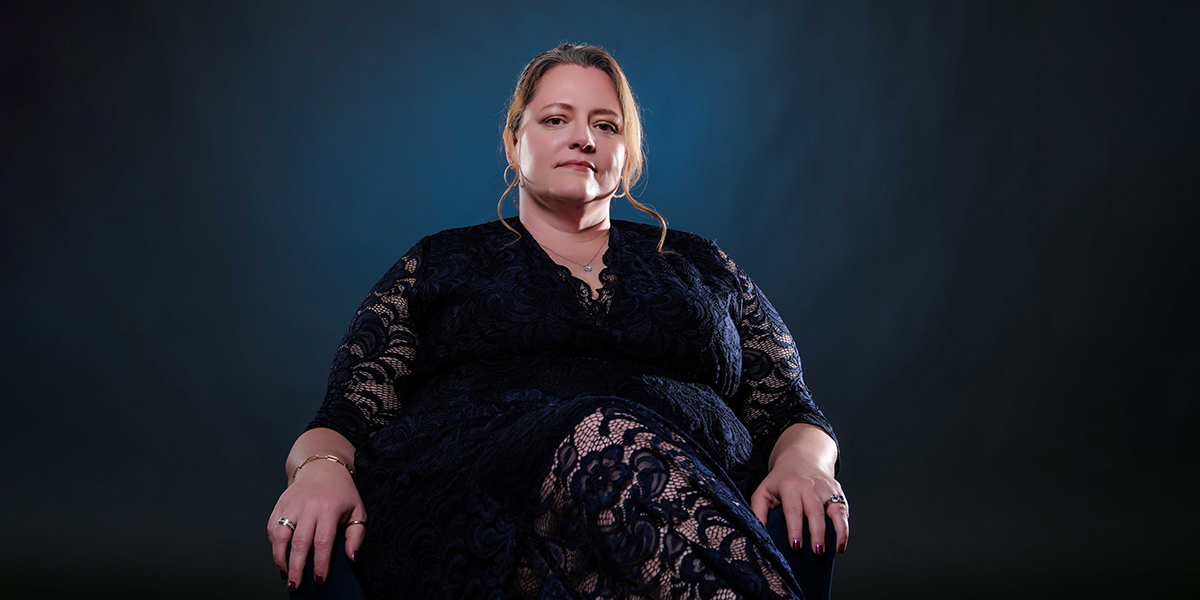
Erin Carroll-Manning is the founder of Gentle Giraffes Newborn Care & Family Services, a full-service agency she launched in 2017. In 2019, she became a Master Newborn Care Specialist, adding depth to her growing impact. Her work has earned wide recognition. She was a Top 5 finalist for the INA Nanny of the Year Award in 2023. Her name has appeared in Parents Magazine, Care.com, Consumer Reports, NY Weekly, and Nanny Mag. She was featured on the front cover of The Boston Globe in 2015. She has also contributed her voice to policy, testifying for the Massachusetts Domestic Workers Law.
Through Gentle Giraffes, Erin helps families navigate the turbulent waters of early newborn care. Her work focuses on newborn care, postpartum recovery, and early development. In this interview, Erin shares the importance of elevating standards for Newborn Care Specialists and sheds light on the childcare industry.
Q1. Erin, you have been vocal about raising the standards for Newborn Care Specialists. What specific gaps in the industry prompted you to advocate for higher professional benchmarks?
Erin Carroll-Manning: One of the biggest gaps that led me to advocate for higher professional standards is the disconnect between how critical early childhood development truly is and how casually society often treats those who care for children in their most formative years.
In both the Newborn Care Specialist and nanny professions, I’ve seen how easily this work can be reduced to basic supervision, feeding, changing, keeping children safe, or helping parents get sleep. While those things absolutely matter, they are only the foundation. True professionals in this field are helping shape neurological development, emotional regulation, attachment patterns, and the earliest building blocks of how a child will experience safety, relationships, and resilience throughout their life.
My passion for this work is both professional and deeply personal. As an adoptee myself, I have always been aware of how early experiences shape who we become. That perspective influenced not only how I built my career, but also one of the most meaningful decisions of my life: choosing adoption for my own child. That lived experience gives me a profound respect for how important those earliest relationships and environments are, and why the quality of care matters so much.
What concerns me is that families are often making incredibly important hiring decisions without clear information about what distinguishes entry-level care from true professional care. When the industry lacks defined benchmarks, families may hire based on availability or cost rather than qualifications, simply because they haven’t been shown what quality care actually looks like. That is not a failure of families; it’s a reflection of the need for stronger professional standards and better education within our field.
I also believe this reflects a broader societal misunderstanding of children from birth to age three. Because they may not consciously remember these years, people sometimes assume the quality of care matters less. In reality, this is when the nervous system is being wired, attachment is being formed, and emotional safety is being learned. Even without conscious memory, the brain and body are developing patterns that can influence lifelong emotional health.
Part of my role has become helping bridge what I often call the gap between “the books and the docs,” connecting evidence-based developmental knowledge with real-world family support. Families need practical, compassionate professionals who understand both the science of development and the realities of daily life with a newborn or young child.
My goal is not to exclude people from this industry, but to help elevate it. When we raise standards, we protect children, better support families, and help dedicated childcare professionals be recognized for the depth of their skills. This is about moving the conversation from simply helping families “get through” the early years to helping children and families build healthy, sustainable foundations.
At its core, this work isn’t just about childcare. It’s about how we value human development. When we begin to recognize early childhood professionals as the skilled developmental specialists they truly are, we don’t just improve outcomes for individual families; we begin to positively influence the health of society as a whole.
Q2. The postpartum and private childcare industry is often misunderstood. What are the most common misconceptions families have when hiring support?
Erin Carroll-Manning: One of the biggest misconceptions I see is that many families assume all postpartum and private childcare roles provide the same level of training and expertise. For example, hiring a Postpartum Doula for overnight support is not the same as hiring a Newborn Care Specialist. While both roles can be incredibly valuable, they have different training backgrounds, scopes of practice, and areas of focus. Understanding these distinctions helps families make more informed decisions about the type of support that best fits their needs.
Another common misconception is that price or years of experience alone determine quality. While those factors can be indicators, they do not automatically reflect training, professionalism, or developmental knowledge. Similarly, a long résumé does not always translate to a strong understanding of infant development, attachment, or family support dynamics.
I also see many developmental misconceptions that influence hiring decisions. There is still a widespread belief that newborns don’t communicate or remember anything in the early months. While they may not form conscious memories, their nervous systems and brains are actively developing patterns around safety, trust, and regulation. The quality of care during this time matters greatly, even if it isn’t something the child will verbally recall later.
Families are often told that weight gain alone is the primary indicator of a baby’s well-being, but healthy development is much more nuanced. Feeding, sleep patterns, regulation, digestion, and responsiveness all play important roles in a baby’s overall health. Similarly, terms like colic are often used as blanket explanations when they are really descriptions of symptoms rather than root causes. Many families benefit from guidance that takes a more holistic view of what a baby may be communicating.
Another misconception is the idea that newborns should simply “go with the flow” of family life. In reality, newborns benefit from thoughtful structure, responsiveness, and support as their nervous systems mature. When we understand that crying is communication, not just hunger, we can begin to respond in ways that support long-term regulation rather than short-term solutions.
Perhaps the most important misunderstanding is that if a medical provider says everything is “fine,” there is nothing more to explore. Medical care is essential, but it is only one piece of the picture. Developmental support, feeding guidance, sleep shaping, and family education often fall outside traditional medical appointments but can make a profound difference in how families experience the early months.
Ultimately, most misconceptions come from a lack of clear information, not from families doing anything wrong. Parents want to do their best. My goal has always been to help families better understand the range of support available so they can choose qualified professionals who not only help them get through the newborn phase, but help their child and family build a healthy, sustainable foundation from the very beginning.
Furthermore, several misconceptions exist, such as:
- High rates automatically guarantee quality service.
- A long, comprehensive resume always signals professional service.
- Young children do not communicate or remember anything at this age.
- Gaining weight is the “gold standard” for a baby’s well-being.
- A newborn should just “go with the flow.”
- Medical industry reassurance means a family doesn’t need to look deeper into their child’s health.
- Colic is an actual diagnosis.
- Newborns consistently being out of the parasympathetic nervous system does not harm their long-term emotional health, trust, and secure attachment.
- Every time a baby cries, especially in the middle of the night, they are hungry, even though they can be guided into the habit of being fed; ultimately, that does become the reason they cry.
Q3. In your view, what clearly distinguishes a Newborn Care Specialist from a postpartum doula, night nanny, or household nanny? Why is this distinction so important?
Erin Carroll-Manning: All of these roles, Newborn Care Specialists (NCS), Postpartum Doulas (PPD), night nannies, and household nannies, play meaningful and important roles in supporting families. The distinction isn’t about hierarchy, but about understanding training, scope, and purpose so families can choose the right support for the right season. It is so disheartening when they thought they were getting one thing and they ended up with something else.
A Newborn Care Specialist: Is a specialist in all newborn care, primarily focused on the first 3-6 months postpartum. Their work goes far beyond basic care. They support sleep shaping, feeding foundations, neurological development, early attachment, and parent education. I often explain it this way: almost anyone can help keep a baby alive, but a highly trained professional helps a baby and family thrive. That difference is where experience, education, and intention really matter.
A Postpartum Doula Traditionally: Focuses more on the recovery and well-being of the mother and the emotional transition of the family, especially the mother. Their role is often more holistic, supporting recovery, emotional health, light household chores, and helping families adjust to their new normal. They are like a professional best friend, making sure the mother prioritizes her recovery and bonding with the baby.
Night Nannies: Typically provide overnight care under the parents’ direction. Some bring significant experience, yet do not have formal training, while others may be newer to the field. The key difference usually comes down to whether the role is primarily task-based support or being there for the times the children need someone in the middle of the night. Both can be helpful, but families benefit from understanding the level of expertise and training they are hiring for.
Household Nannies: Typically provide long-term daily care and development for children. Like any profession, there is a wide range of experience and professionalism within this role. The strongest nannies understand they are not just supervising children, they are helping shape emotional development, communication skills, behavior patterns, and confidence while also supporting the parents’ careers and personal endeavors.
Why these distinctions matter is that families often make very important decisions without clear guidance on how these roles differ. When titles are used interchangeably, expectations can become unclear, and families may not receive the level of support they thought they were getting when they hired. This breaks my heart. Families should get what they understand they’re getting. When they don’t, it brings the industry down.
Part of my work has become helping bridge what I often call “the gap between the books and the docs.”
“I believe in taking what we know from developmental science, attachment research, and newborn health, and translating it into real, practical support families can actually use in their homes.” (Erin Carroll-Manning)
This conversation also goes beyond individual families. How we view early childcare reflects how we value human development. The first years of life are when the nervous system is shaped, trust is built, and emotional regulation begins. When we elevate the standards of the professionals caring for children during this time, we are not just supporting families; we are investing in the long-term health of society.
My goal has never been to divide roles but to bring clarity, respect, and professionalism to an industry that deserves recognition for the incredibly important work it does. When families understand the distinctions and professionals are supported in developing their skills, everyone benefits, especially the children.
Q4. How does standardization and credential integrity impact both family outcomes and the credibility of the profession as a whole?
Erin Carroll-Manning: “When we define competency in private childcare by real experience, proven outcomes, and strong ethical standards, not just credentials, we don’t just elevate a profession, we protect early childhood development and invest in the future health of society.” (Erin Carroll-Manning)
Standardization and credential integrity have the potential to improve both family outcomes and the profession’s credibility, but only when they truly reflect competence, experience, and demonstrated skill, not just course completion.
At this stage in the industry’s evolution, we are still working toward what meaningful standardization should look like. Completing a training program and passing an exam can provide important foundational knowledge, but it does not automatically translate into professional readiness. True competency comes from the ability to apply that knowledge in real-life situations, read babies accurately, support families effectively, and consistently produce positive outcomes over time.
What matters most is not just what someone learns in a course, but how well they can apply that knowledge in practice, how they support each baby, how they support parents, and whether they can demonstrate consistent, thoughtful results across many families.
I strongly believe high-quality training is essential. At the same time, I also believe experience should carry appropriate weight. Ideally, professionals entering advanced newborn care roles would already have a strong foundation as a professional full-time childcare provider before specializing in Newborn care. In any skilled profession, specialization typically builds on years of practical experience, and I believe our field benefits when we follow a similar model.
Another important piece of this conversation is transparency around levels of experience. As in many professions, there should be clearer distinctions among entry-level, intermediate, and highly experienced specialists, with rate structures that reflect those tiers. When someone new to the field is encouraged to charge the same rates as professionals with decades of experience, it can confuse families and unintentionally devalue the depth of expertise long-term professionals bring. Ultimately, the babies suffer.
My concern is not about limiting opportunity, but about protecting families, supporting babies, and preserving the integrity of the profession. When compensation conversations become disconnected from competency and experience, the focus can shift away from quality of care and developmental impact, which is where it truly belongs.
Ultimately, credential integrity should mean more than completing a program. It should reflect ongoing learning, mentorship, ethical standards, demonstrated experience, and a commitment to outcomes. When we focus on those elements, we strengthen trust with families and build a profession respected not just for what we say we know, but for what we consistently demonstrate through proven outcomes and hands-on skills. our work.
At the end of the day, this work is not just about titles or rates; it’s about the babies and families we serve as well as society at large. When we prioritize depth of knowledge, real-world experience, and professional growth, we don’t just strengthen our field; we improve outcomes for children and help ensure families receive the level of care they believe they are investing in, especially when the title has the word “specialist” in it.
Q5. What ethical considerations do you believe every professional private childcare provider should adhere to, regardless of title?
Erin Carroll-Manning: Regardless of title, whether someone is a Newborn Care Specialist, babysitter, mothers’ helper, or nanny, I believe every private childcare professional shares the same ethical responsibility: to prioritize the child’s developmental, emotional, and physical well-being while supporting the family with honesty, professionalism, and integrity.
At its core, this work requires understanding that we are not just providing a service.
“We are being entrusted with human development at its most vulnerable and formative stage. That requires more than basic caregiving skills. It requires self-awareness, emotional maturity, ongoing education, and a commitment to doing what is in the child’s best interest, even when no one is watching.” (Erin Carroll-Manning)
Ethically, professionals in this field should be committed to practicing within their scope of knowledge, being honest about their level of experience, and continually developing their skills rather than presenting themselves as experts before they are ready. Families deserve transparency about what someone truly knows, what they are still learning, and when it is appropriate to refer out to other professionals.
I also believe ethical care means recognizing that babies and young children are not passive recipients of care. They are constantly communicating through their nervous systems, their behavior, and their responses to the environment. Professionals have a responsibility to respect that communication and respond in ways that support regulation, trust, and secure attachment rather than simply focusing on convenience or short-term solutions.
“Another ethical responsibility is professionalism within the industry itself, upholding standards, mentoring newer professionals responsibly, and protecting the field’s reputation rather than contributing to practices that prioritize income over readiness or marketing over mastery. Ultimately, ethics in private childcare comes down to remembering who this work is truly about. It is not about titles, trends, or rates. It is about the children whose earliest experiences shape their sense of safety in the world.” (Erin Carroll-Manning)
When we approach this work with that level of responsibility, we don’t just support individual families; we help shape healthier relationships, stronger families, and a more emotionally resilient society.
Conclusion
Erin Carroll-Manning reminds us that the early days of parenthood need special guidance. Through Gentle Giraffes, she offers families a steady hand during a time that often feels uncertain. As an advocate for the childcare industry, she also shares how people underestimate the role and importance of childcare providers, whose efforts go beyond the usual cycle of feeding and changing. Erin’s voice speaks for domestic workers. She supports fair treatment and respect in the field because good care in the beginning creates stronger foundations for the future.

